
Episode 19: The Theater of Openings - Steve Uhr on Restaurant Chaos & Mastering New Concepts
Guest: Steve Uhr, Director of New Restaurant Openings for STARR Restaurants
Episode: 86 Reason Ep19 | The Art of Opening Restaurants - Steve Uhr from STARR Restaurants
Episode Duration: 1hr 10m 21s
Published: Feb 16, 2026
Topics: Restaurant Openings, Restaurant Operations, STARR Restaurants, Labor Management, Restaurant Culture, Pre-Opening Strategy, AI in Hospitality, Philadelphia Dining, DC Restaurants, Restaurant Leadership
Episode Summary
What drives someone to quit the restaurant industry, swear they'll never open another concept, and then return to open nearly 10 restaurants in three years? For Steve Uhr, Director of New Restaurant Openings for STARR Restaurants, the answer is simple: "I'm a full masochist."
In this episode of the 86 Reason Podcast, host Xavier Mariezcurrena sits down with Steve to explore the addictive nature of restaurant openings, the sacred art of pre-opening culture building, and why managing today's workforce requires an entirely different playbook than it did five years ago.
From using AI to deconstruct food critics to explaining why Philadelphia's labor market beats Washington D.C., Steve offers an unfiltered look at what it takes to launch high-volume concepts in one of the industry's most challenging eras.
🎧 Listen now To All Episodes
From Burnout to the Build: The Masochist's Return
Steve's relationship with the restaurant industry has been a love affair marked by intense highs and devastating lows. In 2018, after years of grueling openings and operational demands, he walked away completely. He entered the wine distribution world, seeking stability and a more predictable lifestyle.
Then the call came.
STARR Restaurants needed someone who understood the "theater" of hospitality—someone who could take a cold, dark shell and transform it into a vibrant, high-volume operation. Despite his vow to never return, Steve found himself drawn back to the chaos.
"I left restaurants in 2018... I was over it. And now I've done like eight in the last three years."
What makes Steve's story compelling isn't just the return—it's his self-awareness about why operators like him can't stay away. The opening process, he explains, is an addiction. It's the creative challenge of the build, the adrenaline of launch day, and the satisfaction of watching a concept come to life that keeps operators coming back for more.
But this time, Steve returned with something different: a framework for how to do it sustainably.
Pre-Opening: The Sacred Timeline You Can't Get Back
One of Steve's most powerful insights centers on a phase most operators undervalue: the pre-opening period.
"This is the only time you have without guests. Use it."
While many operators rush to open doors and start generating revenue, Steve argues the opposite. The pre-opening phase is the most critical window for building culture, instilling discipline, and setting operational standards that will carry through the life of the restaurant.
The Problem: A Post-COVID Workforce
Today's restaurant workforce is fundamentally different from the one Steve managed a decade ago. Phone addiction is rampant. Sensitivity to feedback is at an all-time high. Attention spans are shorter. And the culture of accountability that once defined kitchen discipline has been replaced by what Steve describes as a generation that views feedback as a "personal attack."
"If you hold people accountable, they think it's a personal attack."
This isn't a complaint—it's an observation that requires operators to adapt. Steve's solution is to use the pre-opening phase to establish expectations before the pressure of service begins.
The Solution: Culture Before Guests
During pre-opening, Steve focuses on:
Intensive training sessions that build muscle memory and confidence
Team-building exercises that create bonds before the stress of opening night
Clear communication about standards, expectations, and the restaurant's mission
Rehearsal services that simulate high-volume scenarios without real guests
This investment pays off exponentially. A well-trained, cohesive team can handle the chaos of opening week. A team thrown together at the last minute will crumble under pressure.
Stephen Starr's Wisdom: Steve quotes STARR Restaurants founder Stephen Starr, who once told him that opening day is often the "saddest day" because the creative process of the build is over, and the grind of operations begins. For Steve, this reinforces the importance of savoring and maximizing the pre-opening phase—it's the last time you'll have that level of control.
DC vs. Philly: Why the Labor Market Matters More Than You Think
One of the episode's most provocative moments comes when Steve compares the labor markets of Washington D.C. and Philadelphia—two cities where he's opened multiple concepts.
His verdict? Philadelphia wins. And it's not close.
The Theater Argument
Steve's reasoning centers on a fundamental truth about hospitality: "It is theater what we do."
Philadelphia, he argues, has a deep community of artists, actors, and creatives who understand performance. They grasp that service is about creating an experience, not just delivering plates. This cultural appreciation for "the show" translates into better servers, more engaged front-of-house teams, and a labor pool that genuinely enjoys the craft of hospitality.
Washington D.C., by contrast, is a city of transient professionals. Lobbyists, policy wonks, and young staffers populate the service industry, but many view it as a temporary gig on the way to something else. The result? Less buy-in, higher turnover, and a workforce that doesn't always connect with the theatrical nature of service.
Lower rent, better staff: Steve also notes that Philadelphia's lower cost of living allows operators to attract talent without the crushing rent pressures that plague D.C. markets. This creates a virtuous cycle: operators can pay competitive wages, staff can afford to stay in the city, and the labor pool remains stable.
Managing the Smartphone Generation
Perhaps the most relatable challenge Steve discusses is the omnipresent smartphone problem.
"They think checking their phone is a human right."
This isn't hyperbole. Steve describes scenarios where asking a team member to put their phone away during service results in immediate pushback—or worse, sudden resignation. The days of military-style kitchen discipline are gone. Today's operators must navigate a workforce that views constant connectivity as non-negotiable.
The Balance: Accountability Without Alienation
Steve's approach is pragmatic. He doesn't try to ban phones outright or impose draconian rules that will drive staff away. Instead, he focuses on:
Setting clear boundaries during service hours
Explaining the "why" behind phone-free policies (guest experience, safety, teamwork)
Modeling the behavior he expects from leadership
Creating buy-in rather than demanding compliance
It's a delicate balance—one that requires operators to be part psychologist, part coach, and part mentor. But for Steve, it's the only sustainable path forward.
AI vs. The Critics: A Brilliant Use Case for ChatGPT
In one of the episode's most innovative moments, Steve reveals how his team used artificial intelligence to fact-check a food critic.
When a recent review felt "pre-determined" and biased, Steve didn't just accept it. Instead, he uploaded the review to ChatGPT and asked the AI to rewrite it in the voices of legendary critics like Ruth Reichl and Pete Wells.
The result was eye-opening.
By stripping away the original critic's voice and reframing the review through different perspectives, Steve's team was able to identify specific biases, emotional language, and unfounded claims that a casual reader might miss.
"It was a fascinating lesson in objectivity."
This use case demonstrates a broader principle: AI doesn't have to replace human judgment—it can enhance it. By providing objective analysis of subjective content, tools like ChatGPT allow operators to make smarter decisions about how to respond to criticism, where to improve, and when to ignore noise.
When Your Restaurant Group Is Ready to Scale Openings
Steve's experience offers a roadmap for operators considering new locations:
Single Location Operators: Focus on perfecting one concept before expanding. Master your systems, document your processes, and build a culture that can be replicated.
Small Multi-Unit Groups (2-5 locations): This is where the opening process becomes critical. You can no longer rely on the founder being everywhere. You need systems for training, culture-building, and quality control that work without you.
Growth Stage (6-15 locations): At this stage, hiring someone like Steve—a dedicated Director of Openings—becomes essential. The complexity of simultaneous builds, hiring, and training requires specialized expertise.
Enterprise Scale (15+ locations or multi-concept): Here, the theater of the opening is a well-oiled machine. You need predictable timelines, standardized processes, and the ability to launch multiple concepts without compromising quality.
The key question to ask: Do you have a repeatable process for openings, or are you reinventing the wheel every time?
If every opening feels chaotic and unpredictable, you're not ready to scale.
About Steve Uhr
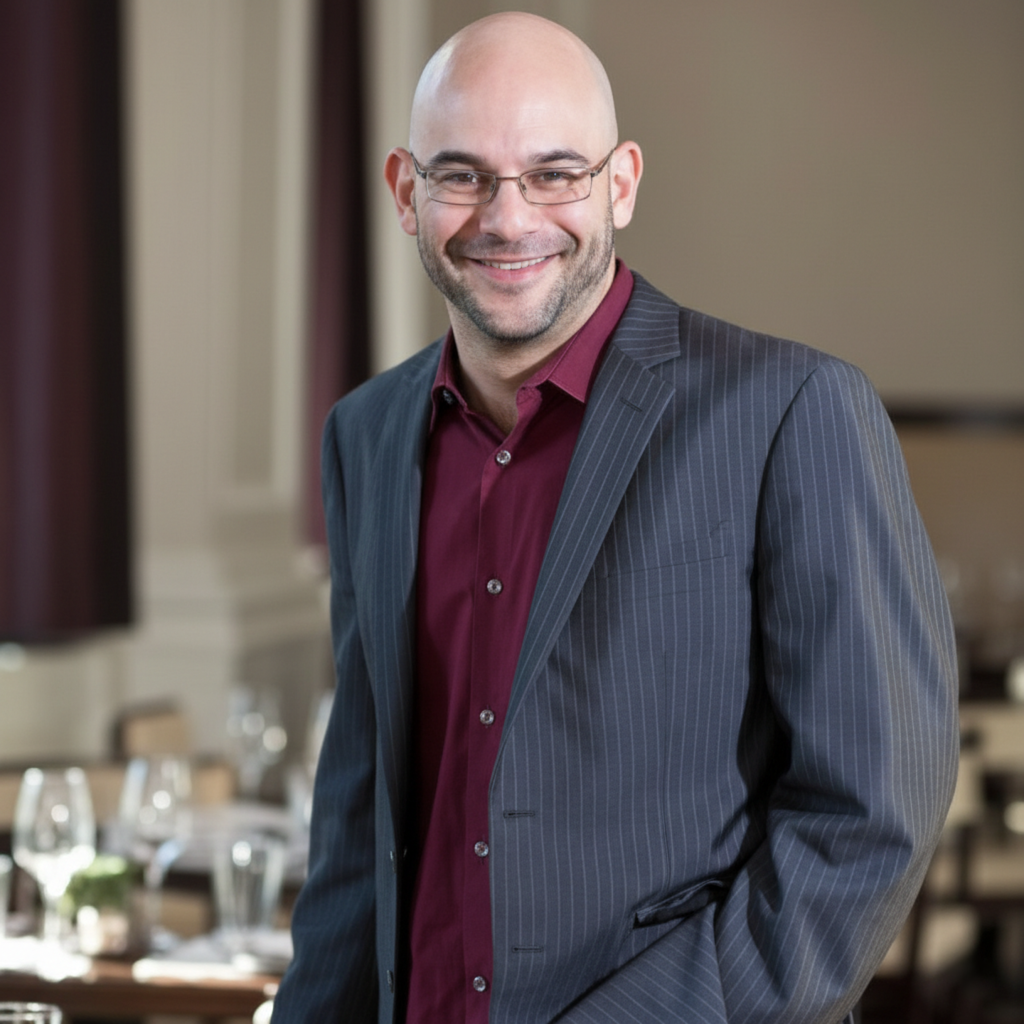
Steve Uhr is the Director of New Restaurant Openings for STARR Restaurants, one of the nation's most prestigious restaurant groups. A Philadelphia native and industry veteran, Steve has managed iconic venues including Morimoto and The Occidental. He specializes in transforming cold, dark shells into vibrant, high-volume operations, having successfully launched nearly 10 major concepts in the last three years.
Known for his candid approach to the challenges of modern hospitality, Steve is a thought leader on labor management, pre-opening culture building, and the art of the restaurant launch.
Connect with Steve:
Company: STARR Restaurants
LinkedIn: in/steveuhr/
Your Story Deserves a Seat at the Table
Steve's journey highlights a principle that resonates across the hospitality industry: the willingness to embrace chaos while building systems is what separates those who survive from those who thrive. It's the understanding that the theater of hospitality requires both art and science—creative vision paired with operational excellence.
At Over Easy Office, we share Steve's belief that the most powerful insights come from operators who've lived through the chaos. This is why we host the 86 Reason Podcast. We're more than a back-office solution; we're a partner dedicated to the resilience of the hospitality community, providing a space where the authentic stories of restaurant life are told.
Your experience, whether opening your first location or your fiftieth, can inspire the next generation of operators.
Ready to share your story? We're looking for hospitality leaders to join us for a conversation on the mic. If you're ready to discuss your journey, challenges, and wins, contact us today. We'd love to hear from you.