
Episode 12: Beyond Bordeaux: Ronnie Sanders on Adapting to Evolving Wine Tastes and Industry Challenges
Guest: Ronnie Sanders, President at Vine Street Imports
Episode: 86 Reason Ep12: Ronnie Sanders from Vine Street Imports: Adapting to Evolving Wine Tastes & Industry
Episode Duration: 59m 36s
Published: Dec 15, 2025
Topics: Wine Business, Beverage Management, Wine Evolution, Wine Importers Strategies, Entrepreneurship
🎧 Listen now To All Episodes
Subscribe: | Spotify | YouTube | Apple Podcast | iHeart
Episode Summary
What do a disastrous dishwashing job and a thriving wine import business have in common? Everything, according to Ronnie Sanders.
In this revealing conversation, the President of Vine Street Imports takes us from the chaotic dish pit of a South Jersey Chinese restaurant, his "one and done" hospitality experience, to the sophisticated world of global wine importing. But this isn't a rags-to-riches fairy tale. It's a candid look at what it really takes to build a successful import business in an industry undergoing radical transformation.
Ronnie pulls back the curtain on the wine industry's biggest shift: consumers drinking less but demanding better. He explains how producers are abandoning the "big, muscular, alcoholic" wines that once dominated the market in favor of nuanced, elegant expressions. We explore the brutal economics of wine importing, including the 30% tariff hits that can sink undercapitalized companies before they even get started.
But beneath the market analysis and financial realities lies something more fundamental: the power of human connection. From his father's classified growth Bordeaux at the dinner table to the global relationships that sustain his business today, Ronnie's story proves that even in a data-driven industry, relationships remain the ultimate competitive advantage. Whether you're in hospitality, building a business, or simply love understanding what makes successful people tick, this episode delivers insights you won't find anywhere else. Sometimes knowing what you absolutely cannot do is the clearest path to discovering what you're meant for.
Key Takeaways
The "One and Done" Job That Changed Everything
Ronnie's entry into the hospitality world was anything but glamorous. His sole restaurant job, washing dishes in a Chinese restaurant in South Jersey, lasted approximately one month. "It was the worst job I've ever had," he recalls with characteristic candor.
The experience was a blur of frantic nights, unintelligible yelling, and the overwhelming chaos of a busy kitchen operating at maximum capacity. For most people, this would be just another bad job story. For Ronnie, it was a gift wrapped in grease and steam.
That miserable month in the dish pit provided instant clarity: restaurant operations were decidedly not his calling. And sometimes, that's the most valuable insight you can gain, knowing with absolute certainty what you're not built for. By quickly exiting what didn't work, Ronnie cleared the path to discover what he was meant to do.
The contrast couldn't be more stark. While his restaurant experience was brief and painful, his immersion in the wine world ran deep, influenced by his father's passion for fine Bordeaux. Growing up, Ronnie's family dinner table featured something most American households didn't: classified growth Bordeaux, prestigious French wines that provided an early education in quality, terroir, and the stories behind exceptional bottles.
Combined with extensive family travel, these experiences planted seeds that would eventually bloom into a career spanning over 26 years. But even with this foundation in prestigious French wines, Ronnie's palate, and the wine industry itself, was destined to evolve far beyond Bordeaux.
Building Vine Street Imports: From 200 Cases to 25,000
Starting an import company requires what Ronnie calls "blind faith." He grew Vine Street Imports from an initial 200 cases to 25,000 cases through meticulous relationship building over 26 years.
Sourcing Philosophy: He describes his approach as being like a "truffle hunting dog"—constantly sniffing out distinctive wines with compelling stories from boutique winemakers often overlooked by industry giants.
Reputation: This commitment to quality and craft perfectly positioned the company for the consumer shift toward authenticity.
The Evolution of Taste: Less Quantity, More Quality
Ronnie identifies a profound and simple trend that has reshaped the market: "People are drinking less, but they're drinking better."
The Market Shift: The era of "big, muscular, alcoholic rich" wines is yielding to a demand for finesse. The sophisticated modern consumer seeks lighter, more nuanced expressions.
Producer Adaptation: Winemakers are adapting by "dialing back on oak, dialing back on extraction" and alcohol. They are embracing alternative vessels like concrete eggs and amphora to let the terroir speak more clearly. This shift toward quality and elegance represents a major opportunity.
The Australian Wine Epiphany
The romantic vision of importing meets the harsh reality of international finance.
Cash Flow Crisis: Importers face a severe burden: "As importers, we pay duties when the product hits the port," often before the wine is even sold. For regions like South Africa, tariffs can represent a 30% upfront cost, immediately straining cash flow.
Survival Requirement: This reality, compounded by currency fluctuations, makes adequate capitalization mandatory. Ronnie states clearly that under-capitalized businesses fail, not because of inferior wine portfolios, but because they cannot survive the immediate financial demands.
Navigating Economic Headwinds: Tariffs and Cash Flow
Beyond evolving palates, the wine industry faces severe economic pressures, notably tariffs and the brutal cash flow realities of international trade.
The Burden: Ronnie explains, "As importers, we pay duties when the product hits the port." For regions like South Africa, tariffs can represent a 30% upfront cost—money that must come from operating capital before a single dollar of revenue is generated.
Survival Requirement: This reality creates a Darwinian environment. Currency fluctuations, freight costs, and the time lag before distributors pay mean that companies without robust capitalization will struggle and likely fail, regardless of their wine portfolios.
The Human Element: Relationships as the Secret Ingredient
In a transactional business dominated by logistics, Ronnie keeps the human element front and center.
Favorite Aspect: When asked about his favorite part of the industry, his answer is immediate and unequivocal: "Relationships. Yeah, it is the best part."
Foundation: These global friendships with winemakers, distributors, and buyers form the backbone of Vine Street Imports, allowing them to find hidden gems and solve trade problems through mutual trust.
Wine Industry Challenges: Beyond the Headlines
While many discussions focus on declining volume, Ronnie's perspective is nuanced: the industry isn't in trouble, it's in transformation.
Opportunity in Premiumization: The shift toward "drinking better" means the remaining consumers are more educated, discerning, and willing to pay for excellence. This benefits quality-focused importers.
Adaptation Mandate: Producers must resist the temptation to chase volume and compromise quality. Retailers need better staff education. Importers must curate portfolios that deliver genuine value and story. The industry is evolving toward quality, sustainability, and authenticity.
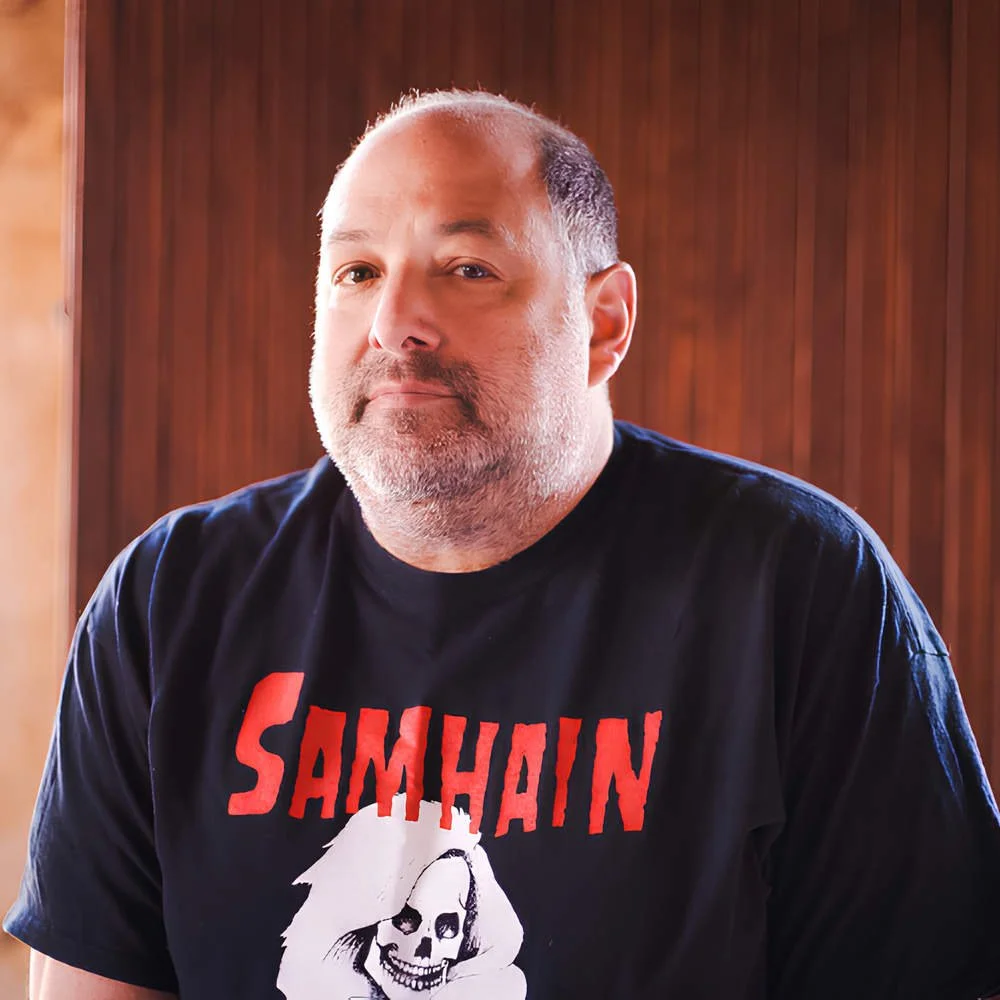
Ronnie Sanders
Ronnie Sanders is the President and founder of Vine Street Imports, a company dedicated to bringing boutique and artisan wines to the US market.
With over 26 years in the industry, Ronnie grew Vine Street Imports from 200 cases to 25,000 cases. He is known for his "truffle hunting dog" approach to sourcing distinctive wines and building strong global relationships. His early passion was cultivated by his father’s interest in classified growth Bordeaux.
Ronnie's journey, from his disastrous first job to building a successful import company, exemplifies the power of integrity, self-awareness, and commitment to quality over volume.
Connect with Ronnie:
Website: www.vinestreetimports.com
LinkedIn: in/ronnie-sanders-7109a38/
Lessons for Hospitality Professionals
Know What You Can't Do
Ronnie’s "one and done" dishwashing experience offers a powerful lesson: Knowing what you are not built for is just as valuable as knowing your strengths. Cultivating self-awareness allows professionals to quickly exit misaligned roles.
For hospitality professionals, this lesson applies broadly:
If front-of-house energy drains you, explore back-of-house roles or office positions
If you hate the operational chaos, consider consulting or technology roles serving the industry
If you're miserable in corporate restaurants, try independent concepts or vice versa
There's no shame in recognizing misalignment early and making changes. The real shame is spending decades in the wrong role because you couldn't admit it wasn't working.
Adapt to Market Evolution or Become Obsolete
The wine industry’s transformation serves as a direct lesson for all hospitality sectors.
Stay Relevant: Businesses must monitor consumer preferences and adapt their offerings. Don't fall in love with your menu or concept; fall in love with serving your customers well.
Be Willing to Pivot: Those businesses that build adaptability into their culture will thrive; those clinging to outdated models will struggle.
Financial Sophistication Isn't Optional
Ronnie’s candid discussion about tariffs and cash flow underscores a crucial reality: Passion for hospitality isn't enough. Financial acumen, strategic planning, and operational discipline are non-negotiable requirements for sustainability.
Build Relationships, Not Just Transactions
In Ronnie's wine import business, relationships with winemakers, distributors, and customers create competitive advantages that purely transactional approaches cannot replicate. The same holds true throughout hospitality.
Restaurants with genuine relationships with purveyors get access to the best products, flexibility during shortages, and pricing considerations during tough times. Hotels with strong employee relationships reduce turnover and deliver better guest experiences. Operators who build authentic connections with guests create loyalty that survives competitive pressure.
The hospitality industry is fundamentally about people serving people. Technology, systems, and efficiency matter—but relationships remain the irreplaceable foundation.
Invest time in:
Getting to know your suppliers beyond just ordering
Building genuine connections with your team, not just managing them
Creating authentic relationships with regular guests and customers
Participating in industry associations and networks
Helping others in your industry without expecting immediate return
These investments compound over years into networks, reputations, and opportunities that purely transactional operators never access.
Quality Over Quantity Wins Long-Term
The wine industry's premiumization trend—people drinking less but better—reflects a broader consumer shift that benefits quality-focused hospitality businesses.
Restaurants focused on ingredient quality and culinary excellence outperform those prioritizing portion size and low prices. Hotels emphasizing experience and service command premium rates versus those competing on square footage and amenities. Coffee shops crafting exceptional beverages build loyalty that Starbucks' convenience cannot overcome.
This doesn't mean becoming expensive or exclusive. It means:
Never compromising on the things that matter most to your concept
Being willing to charge appropriately for genuine quality
Communicating the value and story behind your offering
Building a customer base that appreciates and will pay for excellence
Volume-based strategies become races to the bottom. Quality-focused strategies build sustainable businesses with loyal customers, better margins, and more fulfilling work.
Actionable Insights for Wine and Hospitality Professionals
What You Can Apply Today
1. Honestly Assess Your Fit
Like Ronnie's dish pit revelation, evaluate whether your current role truly aligns with your strengths and interests. If you're consistently miserable or struggling in ways that suggest fundamental misalignment, that's data worth heeding. Making changes early beats decades of dissatisfaction.
2. Monitor Consumer Trend Evolution
Are your customers' preferences shifting? Are they ordering differently, responding to different marketing, or valuing different attributes than they did two years ago? Small changes often signal bigger trends worth investigating.
3. Evaluate Your Financial Health
Do you truly understand your cash flow cycle? Could you survive an unexpected 30% cost increase in a major input? Do you have adequate working capital for your business model? If these questions make you uncomfortable, prioritize getting financial expertise involved.
4. Invest in Key Relationships
Identify the 10-20 relationships most crucial to your business success. Are you actively nurturing them, or just transacting? Schedule regular touchpoints, look for ways to add value to them, and build genuine connections beyond business.
5. Audit Your Quality Standards
Are you maintaining the quality standards that define your concept, or have they gradually eroded under cost pressure or convenience? If you're wondering how to get into the wine industry or any hospitality sector, start by becoming obsessive about quality in whatever you're currently doing.
6. Build Financial Cushion
If you're under-capitalized, make building reserves your top priority. Reduce expenses, improve margins, or seek additional capital—but don't operate with inadequate financial cushion. Ronnie's warning about underfunded import companies applies across hospitality.
7. Communicate Your Story
Whether you're a restaurant, hotel, or wine importer, your story creates differentiation and commands premium positioning. Invest in articulating what makes you distinctive, authentic, and worth seeking out.
Subscribe & Stay Connected
Don't miss future episodes of 86 Reason Podcast, created by Over Easy Office. Subscribe today for more candid conversations about the operational realities behind successful hospitality businesses, because in this industry, every story teaches you something about People, Plates, & Profits.
Subscribe on: | Spotify | YouTube | Apple Podcast | iHeart |
Ready to pair your hospitality operations with the financial support they need to deliver real value? Learn how Over Easy Office's outsourced bookkeeping, AP processing, and inventory management services can help you maximize your business potential without the overwhelm. Contact us today to discover solutions tailored for the restaurant industry.